

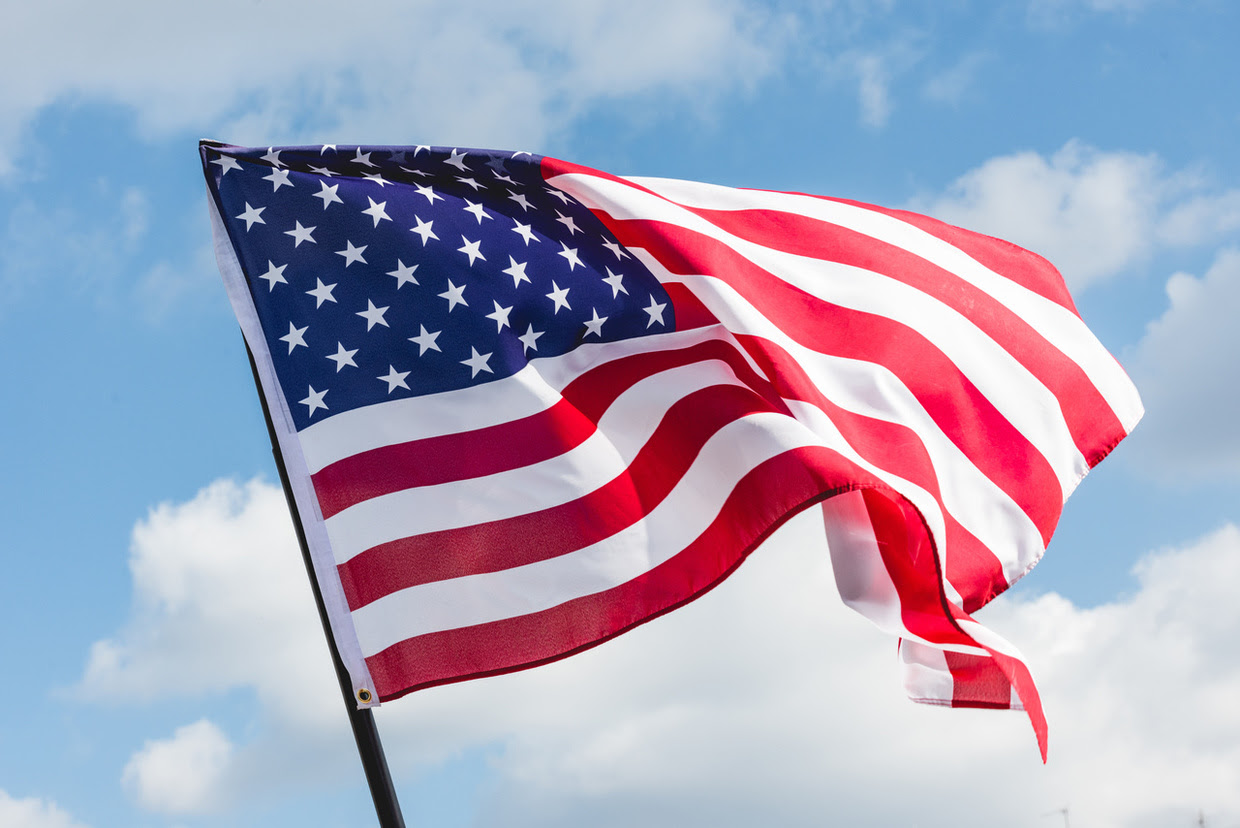
Each February, Presidents Day arrives quietly, marked by fluttering flags, school assemblies, and conversations that drift toward history. In Virginia, the holiday feels especially personal. Ours is a landscape shaped by presidents—by the footsteps of George Washington along the Potomac and by the echoes of Abraham Lincoln’s decisions during the nation’s most trying hours. Their stories, though separated by time, together tell the larger story of America’s birth and survival.
Long before George Washington became a symbol etched into stone and currency, he was simply a Virginian. Born in Westmoreland County in 1732, Washington grew up along Virginia’s rivers and fields, learning discipline, responsibility, and leadership early in life. As a young man, he worked as a surveyor, traveling through untamed land and gaining a deep understanding of the territory that would later become a nation. That experience grounded him—not just in geography, but in humility and perseverance.
When tensions between the colonies and Great Britain erupted into revolution, Washington was called upon to lead an army that was outmatched, undersupplied, and uncertain of its future. From the frozen fields of Valley Forge to the hard-fought victory at Yorktown—on Virginia soil—Washington’s leadership held the fragile cause of independence together. Victory did not come easily, but his steady resolve helped transform a rebellion into a nation.
Yet perhaps Washington’s greatest contribution came after the fighting ended. He resisted the temptation of power and returned to Mount Vernon, setting a powerful example that leadership was service, not dominance. When he later became the first President of the United States, Washington faced the enormous task of building a government from scratch. His careful decisions—supporting the Constitution, forming a cabinet, and stepping down after two terms—established traditions that continue to guide the presidency today. For Virginians, Washington remains not just the “Father of His Country,” but a reminder that our state played a central role in America’s founding ideals.
Nearly eighty years later, the nation faced a different kind of crisis. Abraham Lincoln assumed the presidency at a moment when the United States was tearing itself apart. Virginia stood at the center of that storm. Families were divided, towns became battlegrounds, and the future of the nation hung in the balance. Lincoln, a man of quiet strength and moral conviction, carried the weight of that conflict with unwavering determination.
Lincoln’s leadership during the Civil War reshaped the nation’s purpose. While his immediate goal was to preserve the Union, his vision expanded to include a deeper promise of freedom. The Emancipation Proclamation changed the course of the war and the country, signaling that the United States could no longer exist half free and half enslaved. In Virginia, where the scars of war ran deep, Lincoln’s decisions helped usher in a painful but necessary transformation.
Even in victory, Lincoln spoke not of revenge, but of healing. His words urged Americans to move forward “with malice toward none, with charity for all.” Though his life was tragically cut short, Lincoln’s legacy endures in the ideals of unity, equality, and reconciliation—principles that continue to shape Virginia and the nation.
Together, George Washington and Abraham Lincoln represent the bookends of America’s early history. Washington gave the country its foundation, and Lincoln preserved it when it was most at risk. Their stories remind us that leadership is tested not in times of ease, but in moments of uncertainty. As Virginians reflect each Presidents Day, we are reminded that our state has been both witness to and participant in the defining chapters of the American story—a story still unfolding today.